

How to Find Warm Gloves for a Northern Ontario Winter
When customers ask me about warm gloves, I start with the day, not the glove: long, wet hours on the ice, or a brisk walk with the dog? In this guide I walk through why wind matters and what makes a glove warm, then how I choose between mitts, a lighter glove, and a liner, and how to get the fit right.
TL;DR
- Wind chill and what makes a glove warm
- Insulated waterproof gloves for hard cold
- Mitts for the warmest hands
- Lighter wind-blocking gloves for active days
- Liner gloves and layering
- Getting the fit right
- Trying on gloves in Sault Ste. Marie
Who this article is for
- Ice anglers and hunters who spend long, wet days outside
- Walkers and snowshoers who generate their own heat
- Shoppers deciding between gloves, mitts, and a liner
- Anyone unsure how a warm glove should fit
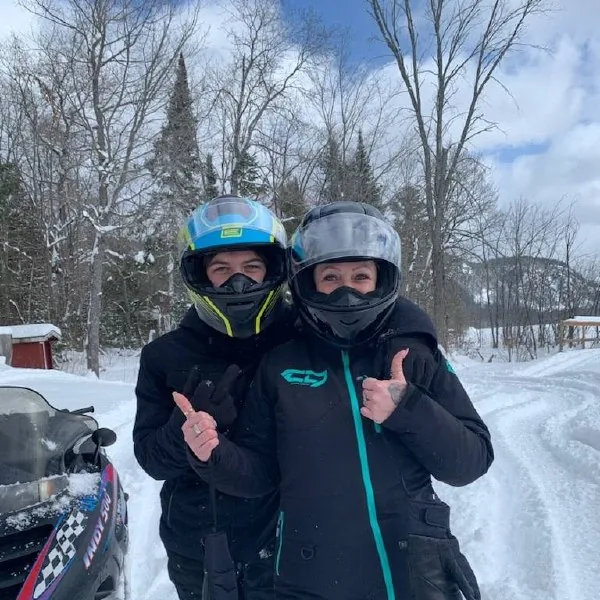
Shannon Prosser
Store Manager
A note from the author
Once the cold sets in, gloves are the first thing people ask me about, and honestly the question I enjoy most, because the right answer changes with the person and the day. I wrote this one around the question I hear most: why are my hands still cold? My own bias is toward layers, a lighter wind-blocking glove when I am moving and a mitt when I am standing around, and I wanted to explain why instead of just listing pairs.
Wind Is What Makes a Cold Day Feel Colder
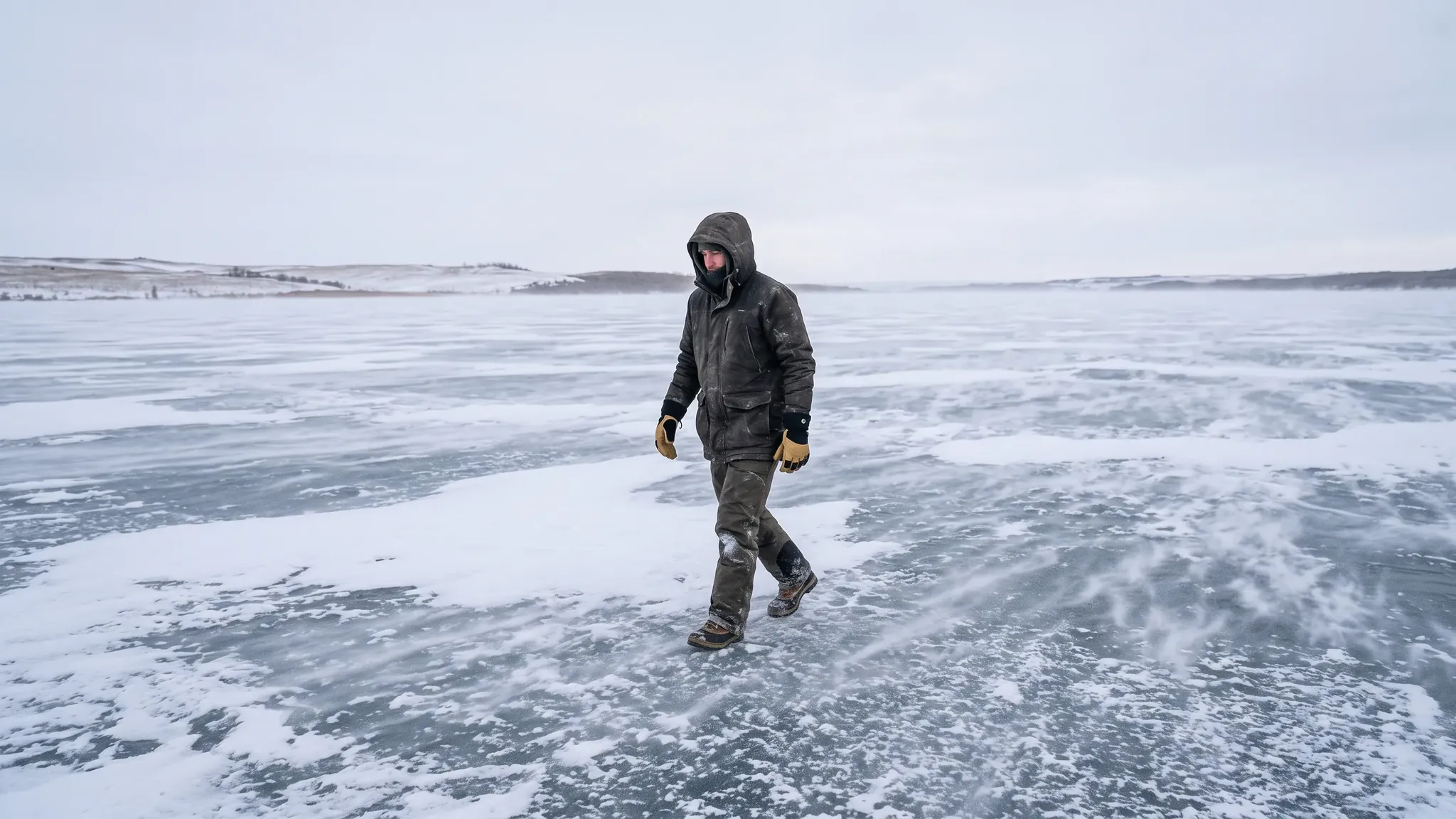
Whenever someone asks me for a warm glove, my first question is not about the glove. It is about the day: will you be standing on open ice, walking, or sitting in a truck? I ask because, in my experience, wind decides how a glove performs more than the number on the thermometer. Environment and Climate Change Canada says it plainly, and it starts with the point that the outdoors feels colder when it is windy. Wind chill, the page explains, "cannot be measured with a thermometer. It is felt by our skin."
The same Government of Canada wind chill page gives a worked example that I find myself repeating: "if the outside temperature is -10ºC, but the wind chill is -20, when you are in the wind it will feel like -20 degrees Celsius on your skin." It also shows how fast bare skin is at risk. At a wind chill of -28 to -39, "any exposed skin can freeze in 10 to 30 minutes," and the page adds that "in sustained winds over 50 km/h, frostbite can occur faster than indicated."
That is why wind sits at the top of my checklist. Working in Sault Ste. Marie, I have learned that a glove which feels fine in the parking lot is a different glove on an open stretch of ice with a steady breeze. Health Canada's extreme cold page says frostbite generally occurs in the body parts furthest from the heart, and it lists hands first, followed by feet, nose, and ears. So wind resistance belongs on your checklist right next to insulation, and it is the reason most of the pairs below have a windproof shell or a wind-blocking fabric.
What Makes a Glove Warm: Insulation, Shell, and Fit
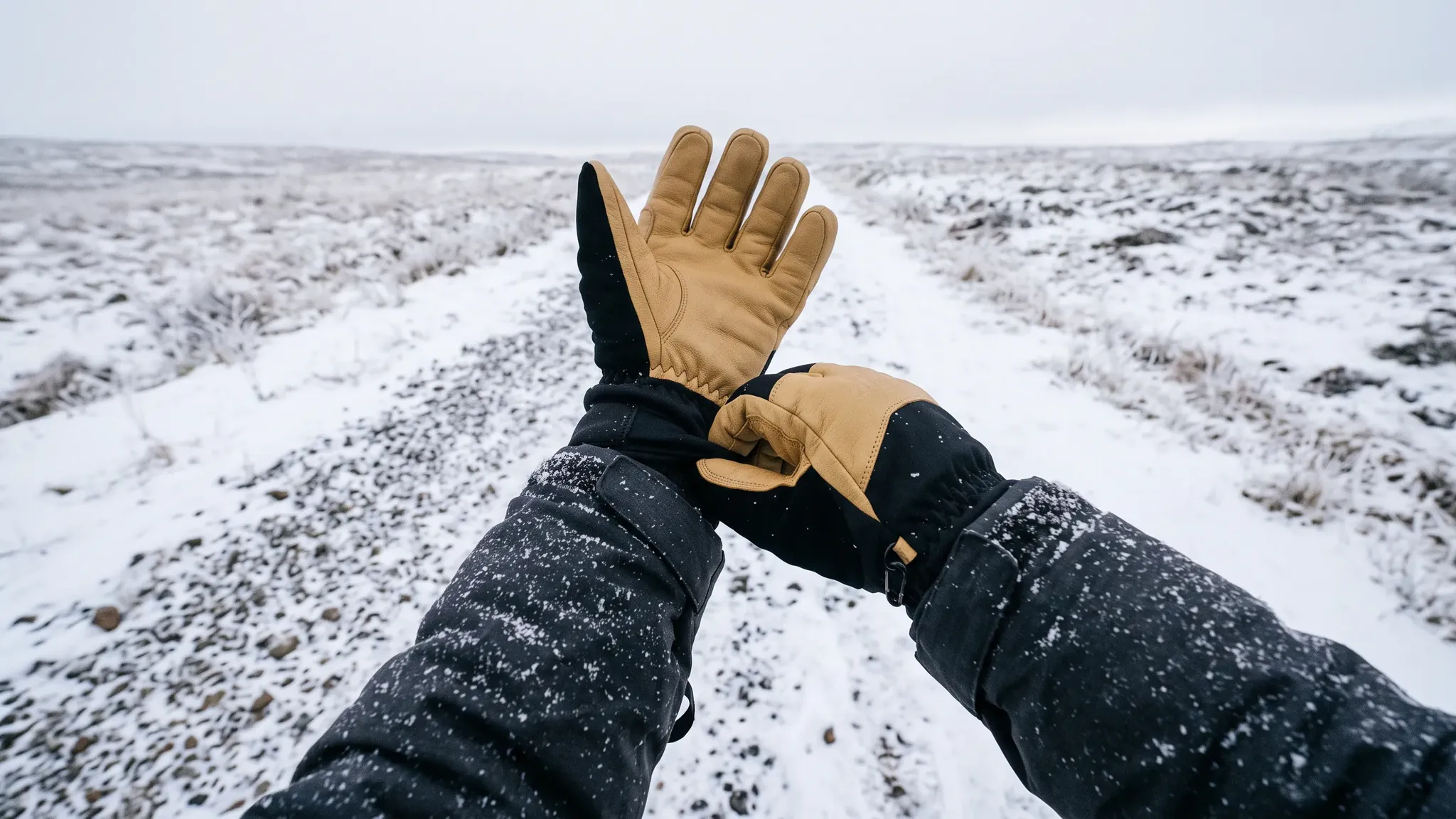
When I explain warmth to customers, I break it into three parts that have to work together. Insulation is the fill that traps air around your fingers. The shell is the outer fabric or leather that blocks wind and water so the insulation can do its job. The third is fit, which I come back to at the end, because it is the part people skip.
The labels can read like a foreign language, so here is how I sort them. Thinsulate is a synthetic fill, as are PrimaLoft Gold, EnduraLoft, and VerticalX. Baffin's B-Tek High Loft is the maker's own fill. The insulation is named on each product page, so that is where I start when I compare two pairs.
Waterproofing is the other half of the shell. A membrane such as Gore-Tex sits inside the outer fabric and keeps water out while letting moisture escape. Several pairs below use one. I tell anyone who will be handling wet line, snow, or ice that a waterproof shell is worth the extra money. If you mostly walk the dog on dry, cold mornings, a lighter wind-blocking glove can do the job.
Insulated Waterproof Gloves for Hard Cold
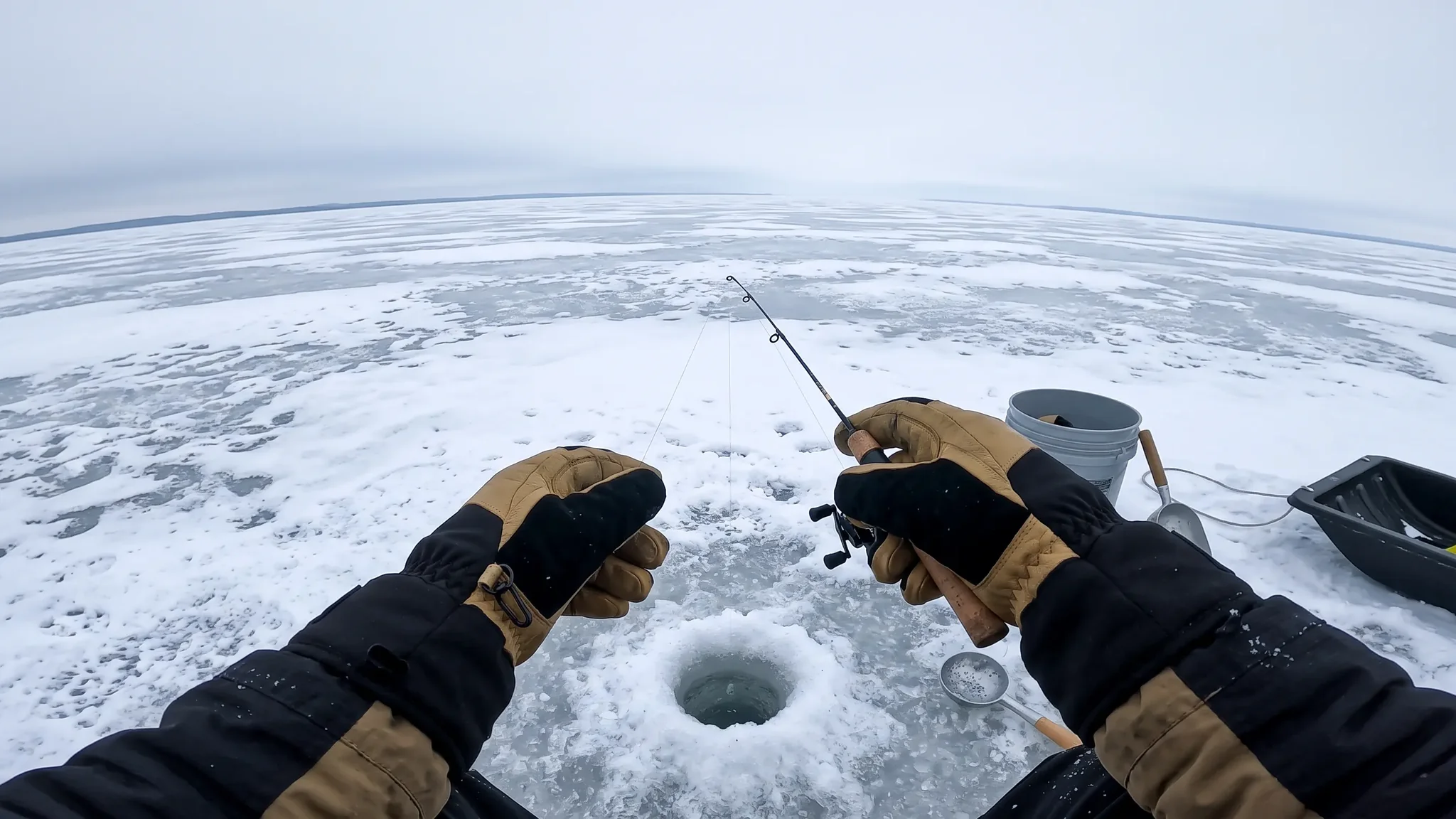
I start with this group for anyone whose days are long, wet, and windy. Each pair has an insulated lining and a shell that fights wind and water.
Outdoor Research Men's Highcamp Gloves
The Outdoor Research Men's Highcamp Gloves ($119.95) combine VerticalX high-loft insulation with a waterproof and windproof Ventia shell. The page describes them as breathable and wicking too. They have a water-resistant leather palm, a ladder-lock wrist cinch, and a pull-on loop. Outdoor Research is one of the brands I know best, since clothing and outerwear are what I work with every day.
What sets them apart, to my mind, is a removable liner with touchscreen-compatible fingertips and an anti-slip silicone palm print. You can slip the outer glove off to use your phone and keep the liner on. They come in Black, in sizes M, L, and XL.
Auclair Icecrusher GTX Warm Gloves
The Auclair Icecrusher GTX Warm Gloves ($174.95) are the warmest-rated glove in this group. They pair a goat leather shell with a GORE-TEX membrane and recycled-content 3M Thinsulate. The page lists them at warmth level 4, with a brushed fleece lining and a neoprene cuff with a Velcro closure. When someone tells me their hands are always the first thing to go cold, this is the pair I steer them toward.
They also include a carabiner loop and a removable leash, which is handy when you take a glove off to tie a knot or adjust a rod. Sizes are M, L, and XL, in Beige/Black or Black. The matching Auclair Icecrusher GTX Warm Mitts ($174.95) have the same shell, membrane, and insulation, in sizes S to XL.
Baffin Guide Glove
The Baffin Guide Glove ($129.95) is built around double B-Tek high-loft insulation with a removable liner. Its nylon-and-leather shell is wind and water resistant, with knuckle coverage, curved fingers for dexterity, and Hex-grip palms. Baffin lists snowshoeing, hunting, ice fishing, powersports, and hiking as uses. It comes in Black, sizes S to XL. It is the glove I think of for ice fishing, a job where I want my fingers free but my hands warm.

Mitts Are the Warmest Choice When You Don't Need Your Fingers
A mitt keeps your fingers together in one space instead of five separate ones, so there is less surface for the cold to reach. The trade-off is dexterity. If your task is mostly holding a pole, a sled rope, or a hot drink, a mitt is hard to beat. If you tie knots or work a camera all day, a glove is the better choice, and you can keep a mitt for the long waits between. I keep both in my own winter kit, and I reach for a mitt whenever I know I will be standing still.
The Outdoor Research Revolution GORE-TEX Mitts ($119.95) are ride and ski mitts with EnduraLoft insulation and a grippy, quick-drying diamond palm. The page lists a heat pack pocket, touchscreen compatibility, and a cinchable gauntlet with a ladder-lock cinch at the wrist. They come in Black, Harbor, and White, sizes XS to XL. I would reach for this pair on a day with a lot of snow and wind.
The Auclair Twister GORE-TEX Mitt with Primaloft ($114.95) uses a PFAS-free GORE-TEX ePE membrane with PrimaLoft Gold insulation. It has an adjustable cuff with a pull cord and a nose wipe, and comes in Black or Khaki/Black, sizes S to XL.
The Baffin Polar Mitt ($124.95) has an extended cuff with an elastic draw cord, a removable lining, and a leather grip patch on the palm and thumb. I like that the lining comes out, because you can adjust the mitt for different temperatures and activity levels. It comes in Black, sizes S to XL.
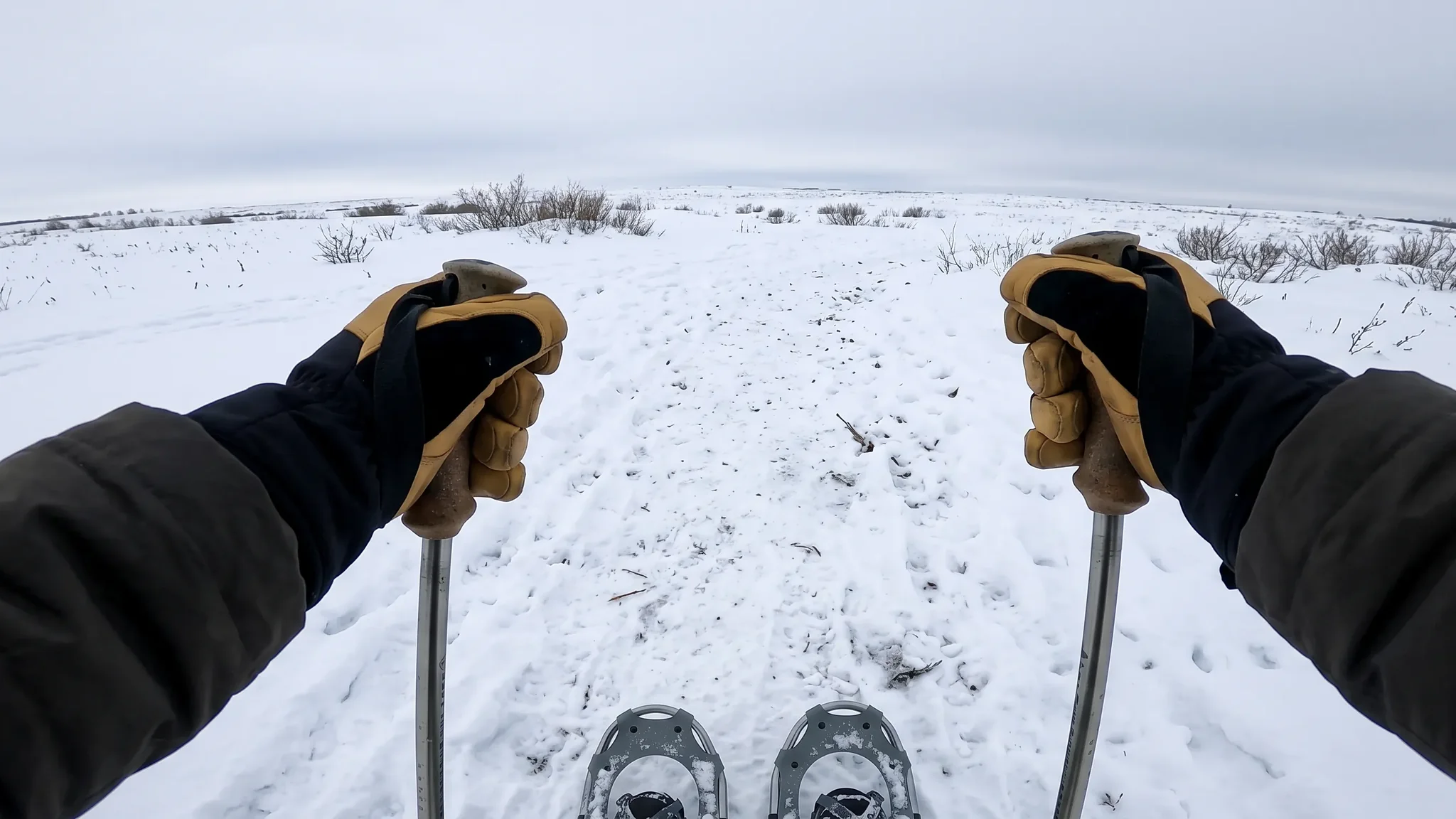
A Lighter Wind-Blocking Glove Suits Active Days
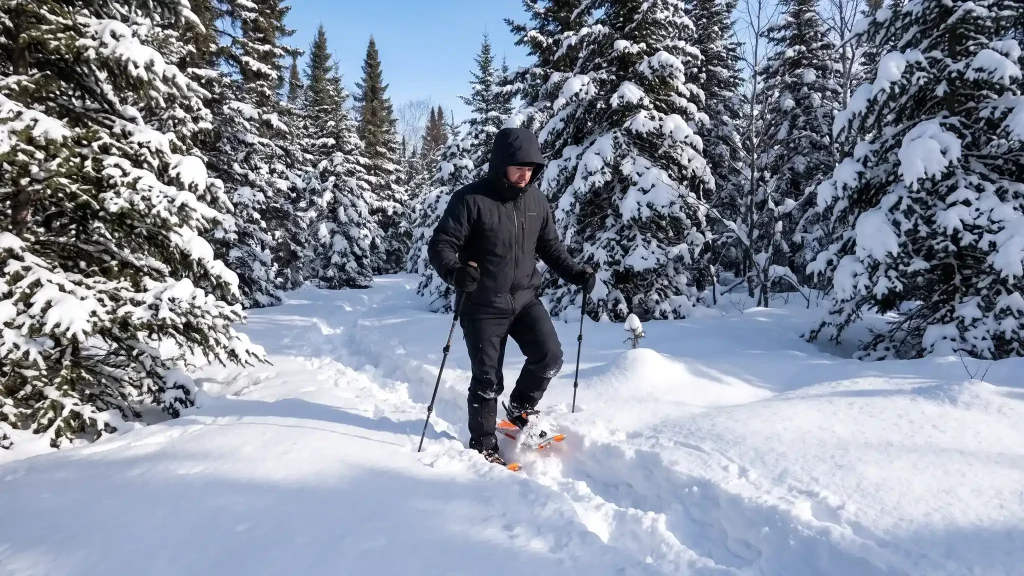
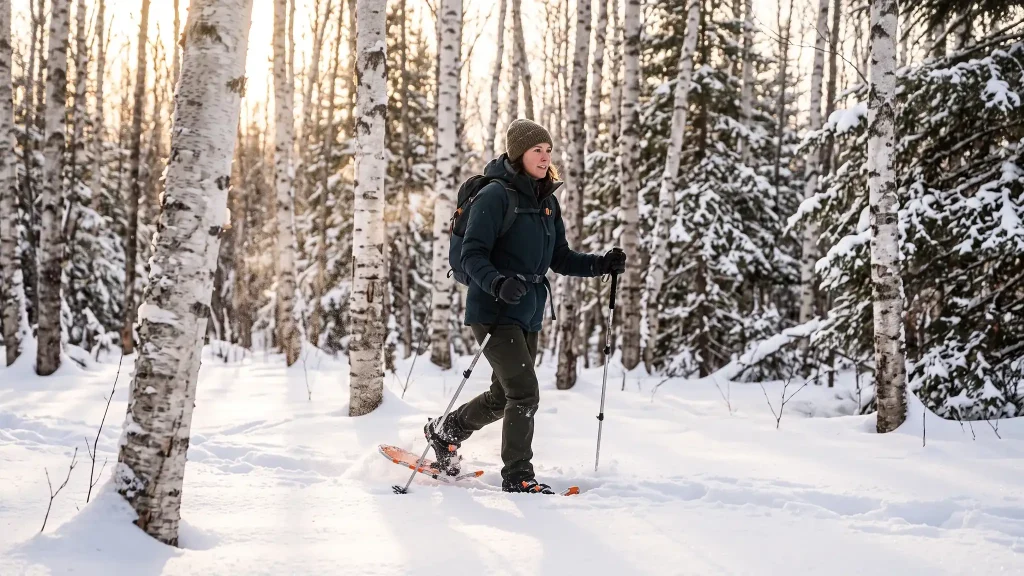
Not every cold day calls for a heavy mitt. When I am walking or snowshoeing, I am making my own heat, and a thinner glove that blocks wind feels better to me than a bulky one. That is the thinking behind this group.
The Outdoor Research Men's StormTracker Sensor Windbloc Gloves ($99.95) use Polartec Windbloc fabric (93% polyester, 7% spandex) with a water-resistant goat leather palm. The page says they are light insulation, touchscreen compatible on the thumb and index finger, and suited to alpine climbing, ski touring, and ice climbing where dexterity matters. They come in Black, Coyote/Black, and Storm/Black. It is a good fit for fast days when dexterity matters.
The Auclair Powder King 2.0 Glove ($94.95) is a waterproof and windproof glove with Thinsulate Type EC insulation and a goat leather palm. Touchscreen-compatible fingers, a zippered utility pocket on the back of the hand, and an adjustable wrist strap round it out, and the zippered pocket is a small detail I like. Sizes run S to XXL.
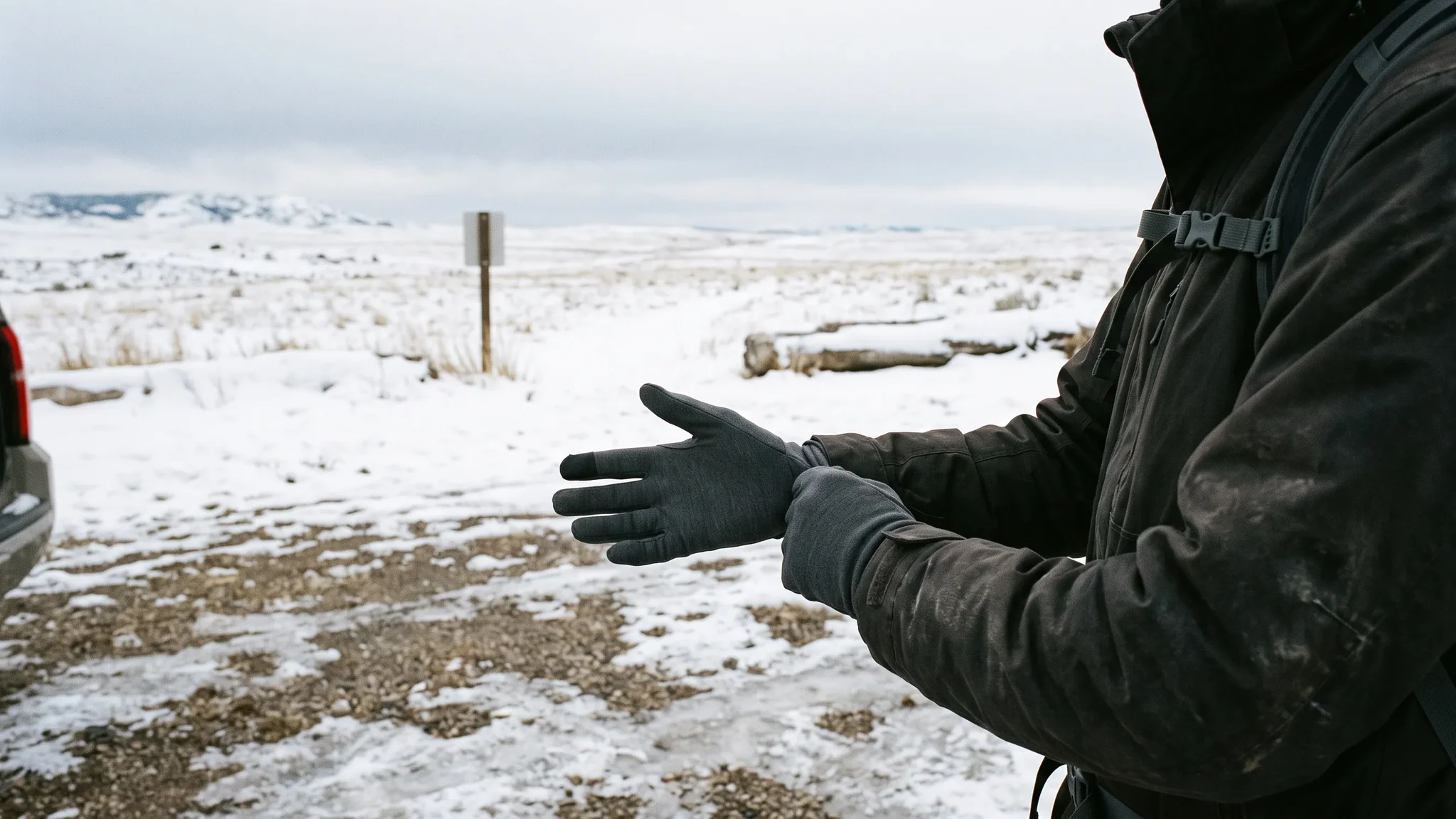
A Liner Glove Lets You Build Warmth in Layers
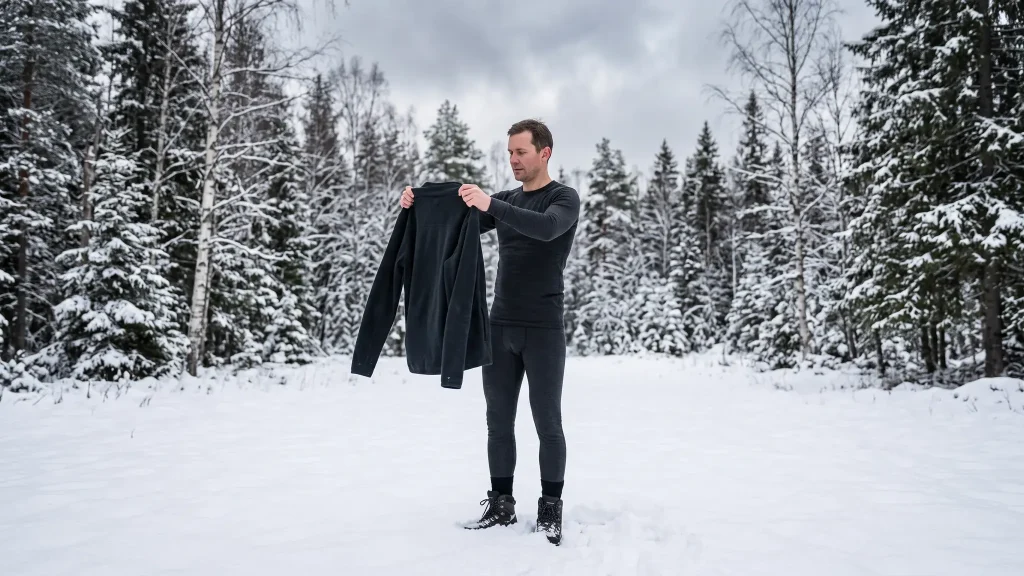
A liner is a thin glove that goes under a shell. It adds a little warmth on its own, and it lets you take the outer glove off for fine work without bare hands in the cold. I think of a liner as the most flexible piece in the whole glove system. Outdoor Research's two Vigor liners both use ActiveTemp fleece, which the maker describes as thermo-regulating.
The Outdoor Research Men's Vigor Midweight Sensor Glove Liner ($49.95) is the standard weight, with touchscreen-compatible fingertips and an anti-slip silicone grip. The Vigor Heavyweight Sensor Glove Liner ($59.95) is double-layered and described as the warmest option in the ActiveTemp glove collection. Either one can be worn alone or under a shell.
My take: if you already own a roomy shell glove that is cool on the hands, a liner is the cheapest upgrade. If you are buying new, I like a pair with a built-in removable liner, such as the Highcamp or the Baffin Guide, because it gives you the same idea in one purchase.
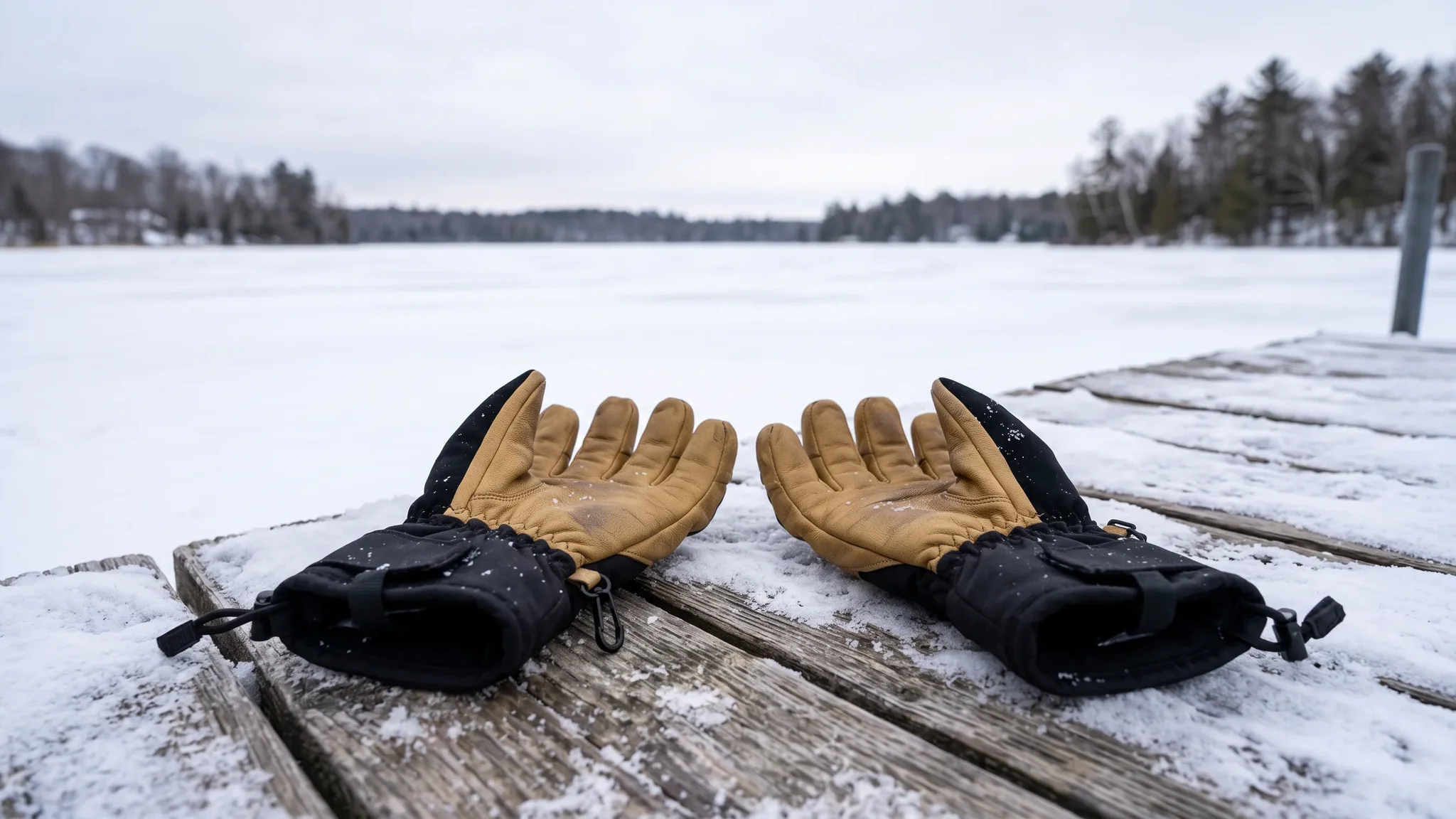
Get the Fit Right or the Insulation Can't Work
Fit is where I see the most mistakes. Insulation works by trapping air, so a glove that is too tight squeezes that air out, and one that is too loose leaves gaps. You want enough room to wiggle your fingers without the fingertips pushing against the end. Try the glove on with your liner on if you plan to wear one, and make a fist and open it a few times.
I check the cuff too. Several pairs here have a gauntlet or extended cuff, a cinch, or a draw cord. Those features close the gap between glove and sleeve, so test that your jacket cuff fits under or over the glove the way you plan to wear it. Wind finding its way in at the wrist is exactly what Environment Canada's wind chill page is warning about.
Sizes vary by model. Some of these come in only a few sizes, such as M to XL, so check the product page for the size run before you decide. If you are between sizes, bring your liner and your jacket along and I am happy to help you compare.
Questions
What Makes a Glove Warm?
In my experience, three things: insulation, a shell that blocks wind and water, and a fit that leaves a little air around your fingers. Insulation traps heat, the shell protects the insulation from wind and wet, and the fit keeps the fill from being squeezed flat. A glove missing any one of the three will feel colder than its label suggests.
Do I Need a Liner Glove?
You don't need one, but I find it useful. A liner adds a layer of warmth under a shell and lets you take the outer glove off for tasks like tying line or using a phone. Some gloves, such as the Highcamp and the Baffin Guide, include a removable liner. If your shell has none, a separate liner is an easy add.
How Tight Should They Fit?
Snug without squeezing. You should be able to move all your fingers and make a fist without pressure at the fingertips, with a little air space inside. If you plan to wear a liner under the glove, I suggest trying them on together. A cuff that cinches at the wrist helps keep the warmth in and the snow out.
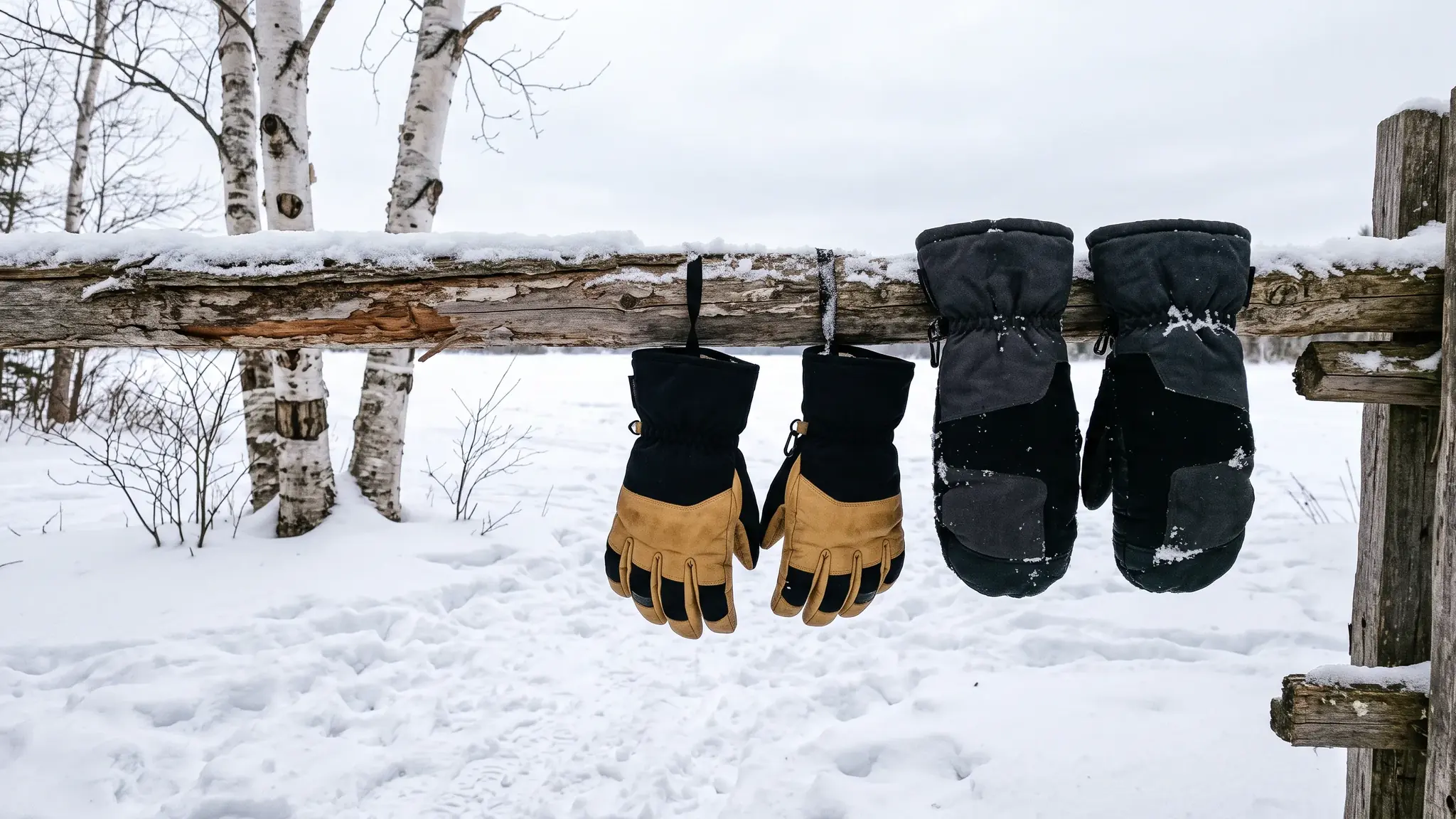
Come Try on Warm Gloves in Sault Ste. Marie
Go back to the question I start with: what will your hands be doing, and how windy will it be? Answer that and the choice gets smaller fast. A hard, wet day on open ice points to an insulated waterproof glove or a mitt. An active day on snowshoes points to a lighter wind-blocking glove, and a liner gives you room to adjust either way. The easiest way to be sure is to try a few on, so browse the gloves and mitts in the men's winterwear section, or stop by Great Lakes Outfitters in Sault Ste. Marie. Bring your liner and your jacket, and I will help you match the glove to the way you spend your winter.
Talk to us about it
- 162 Old Garden River Rd, Sault Ste. Marie, ON P6B 5A6
- (705) 253-2361
- Open today 12 p.m. to 5 p.m.
- Send us a message
References
About the author
Shannon Prosser
Store Manager
I have been here three years. Before that, I worked for Moore's Clothing and Charm Diamond. I manage the store. Come to me for clothing and footwear: Outdoor Research, The North Face, Columbia, Kuhl, and all of our footwear.
More from Shannon Prosser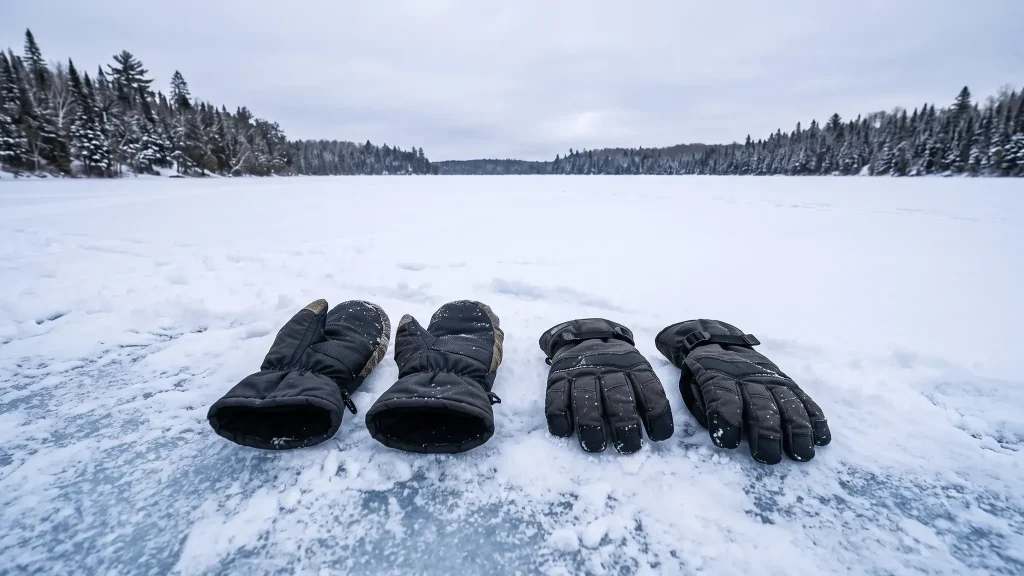

 English (Canada)
 Français du Canada